
Snow & ice science
Materials work differently as conditions change.
Pavement temperature, timing, precipitation, traffic, and mechanical removal all affect which ice-control approach is appropriate.
Plan your property strategyPavement temperature matters
Air temperature tells only part of the story.
Ice-control decisions should account for the surface itself. Sun, shade, wind, traffic, ground temperature, drainage, and the storm’s timing can cause different areas of the same property to behave differently.
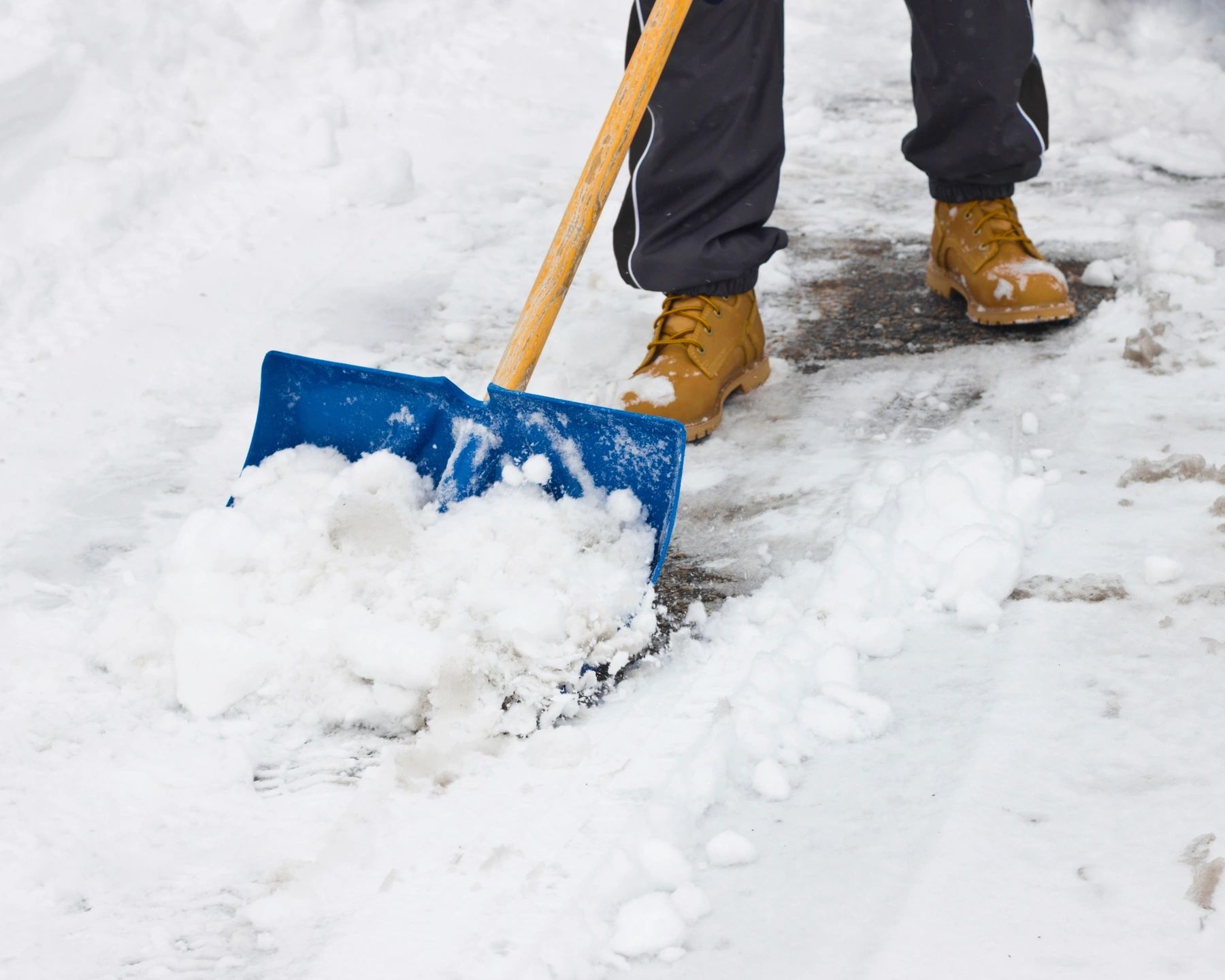
Rock salt must dissolve into a brine to work. That process slows as pavement temperatures fall, so colder conditions may call for different timing, products, rates, or expectations. No deicer removes the need for sound judgment and mechanical snow removal.
Anti-icing
Brine before the bond.
When used before a qualifying event, liquid brine can help delay snow and ice bonding to pavement. That can make later mechanical removal more effective and support controlled material application. Brine is not right for every forecast or surface; timing and conditions matter.
Equipment and material stewardship
Remove mechanically. Apply deliberately. Document the work.
Sectional snow pushers
Contour-following sections can improve pavement contact and reduce residual snow in appropriate applications, supporting cleaner mechanical removal.
Dedicated sidewalk machines
Purpose-built compact equipment supports more consistent pedestrian-route service while reducing dependence on large hand-shoveling crews.
Calibrated application
Material selection and application rates should reflect pavement temperature, product guidance, site conditions, and the service objective.
Electric application equipment
Electric sprayers and spreaders can reduce small-engine use at the point of application; actual environmental benefit depends on the full operating context.
Claims with context
Responsible does not mean risk-free.
Chloride-based deicers can affect vegetation, soil, water, concrete, metals, and animals when misapplied or overused. Products described as treated, pet-friendlier, or environmentally preferable still require label-compliant storage and application. AS&IS avoids absolute “safe” or “green” claims and focuses on fit-for-condition products, mechanical removal, calibrated equipment, and documented use.
Match the plan to the property